 EN
EN
 AR
AR
 BG
BG
 CS
CS
 FI
FI
 FR
FR
 DE
DE
 EL
EL
 HI
HI
 IT
IT
 JA
JA
 KO
KO
 PL
PL
 PT
PT
 RU
RU
 ES
ES
 TL
TL
 ID
ID
 LT
LT
 SR
SR
 UK
UK
 VI
VI
 SQ
SQ
 GL
GL
 HU
HU
 MT
MT
 TH
TH
 TR
TR
 AF
AF
 MS
MS
 AZ
AZ
 KA
KA
 BN
BN
 LO
LO
 LA
LA
 MI
MI
 MN
MN
 NE
NE
 KK
KK
 UZ
UZ

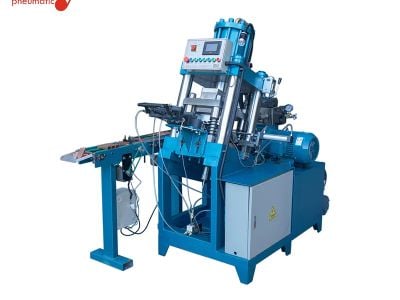
Servo Feeding vs. Hydraulic Systems in Staple Making Which Is Better?
Choosing the right feeding system is one of the most important decisions in staple manufacturing. The two most common options are servo feeding systems and hydraulic systems, each offering unique advantages depending on production requirements. Servo feeding systems use advanced motor control for precise positioning, while hydraulic systems rely on fluid pressure to generate movement and force.
At KY, we continually evaluate both technologies to deliver efficient, reliable, and high-quality staple manufacturing solutions. Understanding the strengths of each system helps manufacturers select the best equipment for their production goals.
What Are the Key Advantages of Servo Feeding Systems in Staple Making?
Servo feeding systems have become increasingly popular because they offer outstanding precision, speed, and efficiency. One of their greatest advantages is accurate positioning. Servo motors precisely control the feeding process, ensuring every staple is manufactured consistently. This high level of accuracy minimizes production errors, reduces material waste, and improves overall product quality. Energy efficiency is another major benefit. Unlike hydraulic systems that continuously consume energy to maintain pressure, servo systems only use power when movement is required. This significantly reduces electricity consumption, lowers operating costs, and supports environmentally friendly manufacturing. Production speed is equally important. Servo feeding systems respond instantly, allowing machines to operate at higher speeds without sacrificing precision.
This helps manufacturers increase output and meet growing production demands. Flexibility is another reason many manufacturers prefer servo technology. Operators can quickly adjust Mattress Clip Staple Machine settings to accommodate different staple sizes and production requirements without lengthy setup times. This makes servo systems ideal for facilities producing multiple product types. In addition, servo feeding systems typically require less maintenance because they contain fewer wear-prone mechanical components. Reduced maintenance means less downtime, improved productivity, and lower long-term operating costs. At KY, these advantages allow us to deliver reliable staple production while maintaining excellent product consistency and manufacturing efficiency.
How Hydraulic Systems Compare to Servo Feeding for Efficient Production
Hydraulic systems remain widely used because they generate significant mechanical force through fluid pressure. They perform exceptionally well in applications requiring heavy-duty operation and high pressing force. However, when compared with servo feeding systems, hydraulic equipment generally offers lower positioning accuracy. In staple manufacturing, even small feeding errors can affect product quality and production consistency.
Hydraulic systems also require continuous hydraulic pressure, resulting in higher energy consumption than servo-driven equipment. In addition, hydraulic components such as pumps, hoses, valves, and seals require regular maintenance to prevent leaks and maintain system performance. Another consideration is operating speed. Staple Machine systems typically need time to build pressure before reaching full operating performance, while servo systems begin moving almost immediately. This faster response allows servo-driven machines to maintain smoother production cycles.
Although hydraulic systems remain valuable for applications requiring substantial force, many staple manufacturers prioritize speed, precision, and energy efficiency. For these reasons, servo feeding technology has become the preferred solution for modern staple production. Understanding the strengths and limitations of both systems helps manufacturers select the most suitable technology for their specific production environment.
Where to Find Reliable Servo Feeding and Hydraulic Systems for Staple Manufacturing?
Selecting high-quality equipment is essential for achieving consistent production and long-term reliability. KY offers a wide range of advanced staple manufacturing machines equipped with both servo feeding and hydraulic technologies to meet different production requirements. Manufacturers should evaluate several factors before purchasing equipment, including production capacity, machine reliability, technical support, and after-sales service. Comparing product specifications, customer reviews, and warranty coverage helps ensure a worthwhile investment.
Working with an experienced supplier also provides access to expert guidance during equipment selection and installation. KY's technical team helps customers choose the most suitable feeding system based on production volume, staple specifications, and operational requirements. Whether your production line requires servo feeding for high-speed precision or hydraulic systems for heavy-duty applications, selecting reliable equipment contributes directly to improved productivity and product quality.
Common Challenges with Hydraulic Systems in Staple Manufacturing
Although hydraulic systems are dependable for many industrial applications, they present several operational challenges in staple manufacturing. Hydraulic fluid leaks are one of the most common issues. Leaks reduce system pressure, decrease efficiency, and may interrupt production if not addressed promptly. Regular inspections and preventive maintenance are necessary to keep hydraulic systems operating reliably.
Noise is another concern. Hydraulic pumps and motors typically generate higher operating noise than servo-driven equipment, which may reduce workplace comfort and require additional noise-control measures. Maintenance requirements are generally greater for hydraulic systems because they contain numerous moving components, seals, valves, and hydraulic lines. Routine servicing increases maintenance costs and may result in additional production downtime.
Production flexibility can also be limited. Adjusting hydraulic systems for different staple sizes or production settings often requires more time than servo-driven 4K(90) High Carbon Steel Staple Making Machine, making changeovers less efficient. By understanding these common challenges, manufacturers can better evaluate whether hydraulic technology matches their operational priorities.
Why Servo Feeding Systems Are More Cost-Effective for Bulk Staple Production
For high-volume staple manufacturing, servo feeding systems often provide greater long-term value. Their high-speed operation and exceptional accuracy reduce material waste while increasing overall production efficiency. Better precision means fewer defective staples, lowering manufacturing costs and improving product consistency. Servo systems also simplify product changeovers. Operators can quickly modify production settings through programmable controls, allowing manufacturers to respond efficiently to changing customer requirements without extended downtime.
Maintenance costs are typically lower because servo systems have fewer mechanical components subject to wear. Reduced maintenance contributes to higher machine availability and lower repair expenses throughout the equipment's service life. Energy savings represent another significant financial advantage. Lower electricity consumption helps reduce operating expenses, especially in facilities running production lines continuously. At KY, our servo feeding systems are designed to maximize productivity, minimize operating costs and deliver consistently high-quality staples. For manufacturers focused on efficiency, flexibility, and long-term profitability, servo feeding technology provides a reliable and cost-effective solution for modern staple production.
Table of Contents
- What Are the Key Advantages of Servo Feeding Systems in Staple Making?
- How Hydraulic Systems Compare to Servo Feeding for Efficient Production
- Where to Find Reliable Servo Feeding and Hydraulic Systems for Staple Manufacturing?
- Common Challenges with Hydraulic Systems in Staple Manufacturing
- Why Servo Feeding Systems Are More Cost-Effective for Bulk Staple Production